A PSPCL Software Migration Has Left ₹200 Crore of Rooftop Solar Stranded on the Wrong Side of India's ALMM Deadline
India's new solar cell sourcing rules are live. In Punjab, a software upgrade may have quietly stranded thousands of installations on the wrong side of the compliance line.
Punjab's Billing Glitch Puts 14,000 Solar Projects at Risk as India's Cell Mandate Goes Live
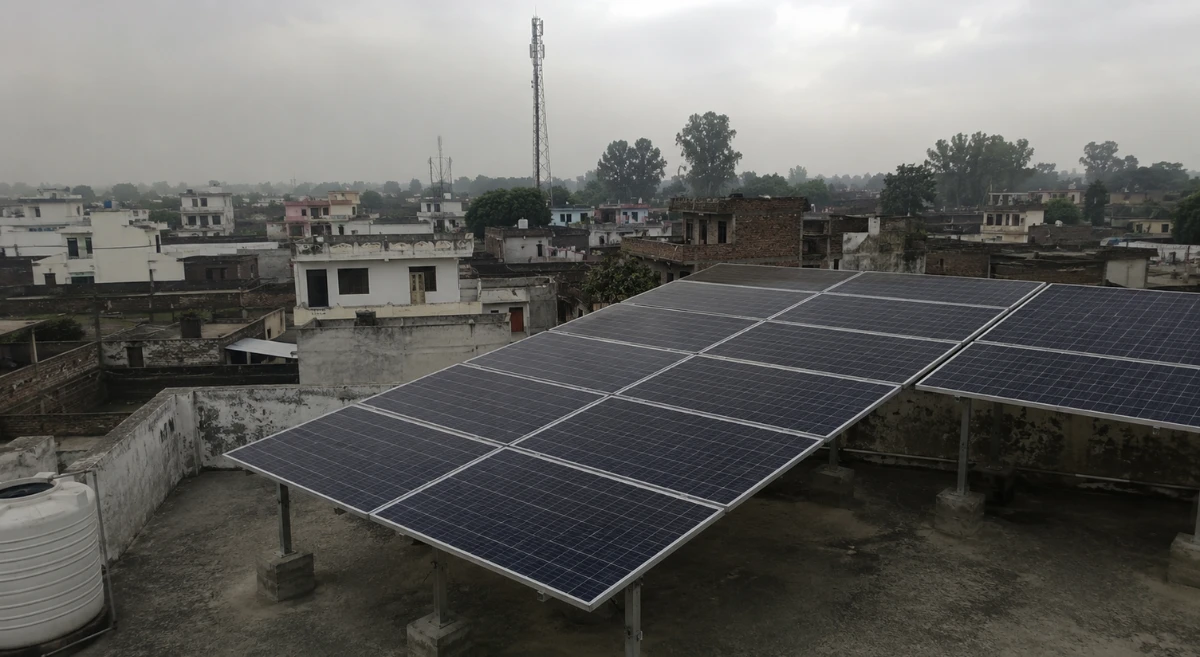
Approximately 14,000 rooftop solar installations across Punjab face possible non-compliance with India's revised solar manufacturing rules after a billing platform migration at Punjab State Power Corporation Ltd disrupted the commissioning process at the worst possible moment. The projects were physically installed before the 1 June 2026 deadline but could not complete the administrative steps required to qualify for an exemption from the Approved List of Models and Manufacturers List-II mandate now in force.
What the ALMM List-II Mandate Actually Requires
The ALMM List-II framework, which came into effect on 1 June 2026, requires all rooftop solar projects commissioned on or after that date to source solar cells from government-approved domestic manufacturers. Projects that completed commissioning before the deadline, including inspection, meter installation, and official certification, are exempt and may continue using existing cell inventory regardless of origin.
The distinction is administratively precise: commissioning date, not installation date, determines compliance status. A project with panels on the roof but no commissioning certificate is, under the rules, a post-deadline project.
The Problem: PSPCL's Platform Migration Blocked the Paperwork
Punjab State Power Corporation Ltd has been migrating from an earlier SAP-based billing and metering system to a new platform. According to a formal representation submitted to PSPCL by Solavesta, a Punjab-based renewable energy company acting on behalf of a network of EPC vendors, the migration has disabled core net-metering functions. Vendors cannot register new applications, extend expiring approvals, process pending files, or secure the bidirectional meter installations and commissioning certificates that would confirm pre-deadline status.
The consequence is straightforward: projects that were planned, contracted, procured, and physically installed under the old compliance framework cannot prove they were completed before the regulatory cut-off.
Industry estimates cited by Solavesta place ₹100 to ₹200 crore in blocked working capital, module inventory, and customer commitments at immediate risk if affected projects cannot secure commissioning before regulators apply the new norms retroactively.
Why This Matters Beyond Punjab
The Punjab situation is a stress test of a structural tension in India's clean energy rollout: the pace at which central policy mandates are implemented against the readiness of state-level administrative infrastructure to absorb them.
MNRE issued an advisory as recently as 25 May 2026, less than a week before the deadline, urging distribution companies, state nodal agencies, and electrical inspectors to clear rooftop solar commissioning backlogs in time. The advisory acknowledged that delays in inspection and certification could render otherwise-compliant projects technically non-compliant. PSPCL's system failure arrived precisely within that window.
For the broader rooftop solar market, the signal is significant. PM Surya Ghar, which targets one crore residential solar installations, depends on the smooth functioning of state utility back-office systems to process applications, approve meters, and certify completion. If a platform migration can strand 14,000 projects in one state at a regulatory inflection point, the reliability of that pipeline is in question wherever similar transitions are underway.
The Nuance: A System Failure Does Not Automatically Create a Policy Fix
Solavesta's representation has requested interim relief, including a manual or offline processing mechanism, extension for affected projects, and treatment of delayed applications based on original submission dates. The representation has been copied to PSERC, PEDA, the Chief Electrical Inspector to Government, and MNRE directly.
Whether any of these requests are granted is unclear. MNRE has already declined to offer a blanket extension of the ALMM List-II deadline itself — a position it maintained despite repeated requests from developers concerned about limited domestic cell availability. A carve-out for administratively blocked projects is legally and politically distinct from a general extension, but regulators would need to act quickly for it to be meaningful.
What to Watch
- Whether PSPCL issues interim relief or a manual commissioning pathway for affected vendors within days, any delay beyond this week effectively forecloses the window
- Whether MNRE or PSERC formalise a policy position on projects stranded by utility-side administrative failures rather than developer-side delays
- How similar situations in other states come to light, Punjab is unlikely to be the only DISCOM managing a platform migration in proximity to a major compliance deadline