JSW Energy's ₹1,410 Crore Thermal Acquisition Signals Pragmatic Path to 30 GW
As India's power demand surges and utilities race toward capacity targets, thermal acquisitions are re-emerging as the fastest route to contracted, cash-generative megawatts.
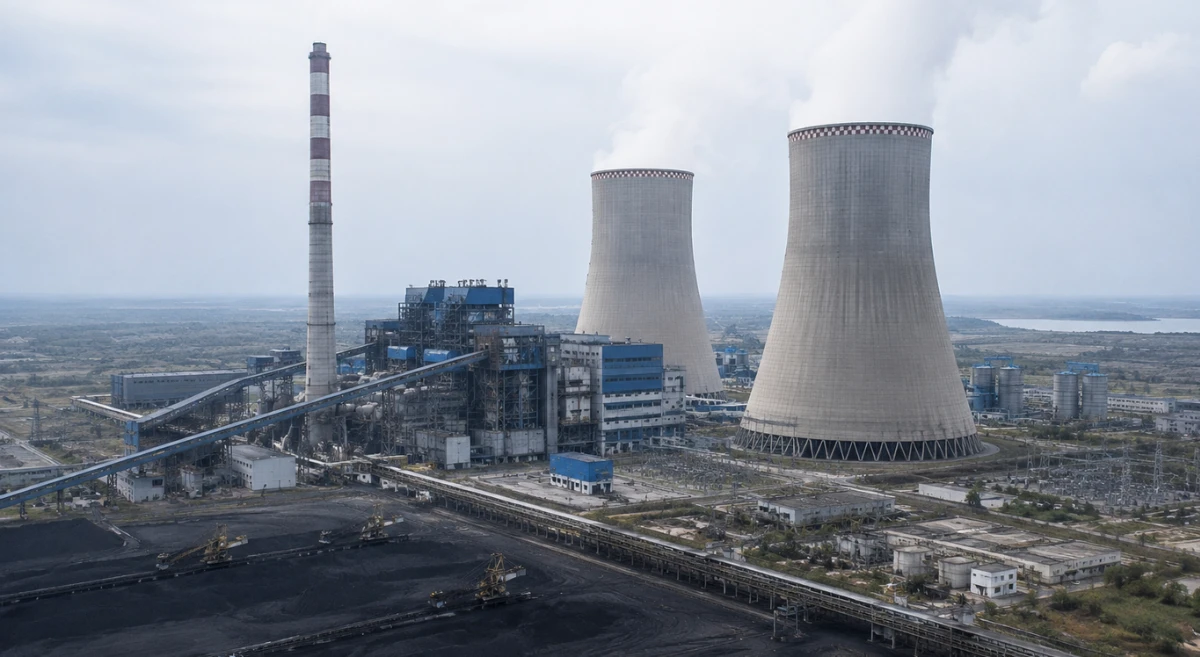
JSW Energy has signed a definitive agreement to acquire 100 percent of Maruti Clean Coal and Power Limited (MCCPL) for an enterprise value of approximately ₹1,410 crore, subject to regulatory approvals. The transaction is expected to close by 31 July 2026. MCCPL owns and operates a 300 MW coal-fired thermal power plant at Korba, Chhattisgarh, which will become a wholly-owned subsidiary of JSW Energy upon deal close.
A Contracted Asset at a Known Price
The commercial rationale is straightforward. MCCPL holds a long-term Power Purchase Agreement for 195 MW with Rajasthan discoms, routed through PTC India, with approximately 14 years of residual life. A further 5 percent of output is supplied to the Chhattisgarh discom at variable cost, while the remaining roughly 64 MW is sold in the merchant market. Fuel supply is secured through a long-term agreement with South Eastern Coalfields Limited under the government's SHAKTI linkage scheme. The asset reported an estimated EBITDA of ₹279 crore for FY26, making the acquisition approximately 5x EV/EBITDA. JSW Energy has stated the deal is both EBITDA and PAT-accretive from the outset and is expected to reduce net leverage.
Where This Sits in JSW Energy's Strategy 3.0
JSW Energy is targeting 30 GW of total installed capacity by FY2030. The company currently operates 5,658 MW of thermal capacity, with a further 3,200 MW under construction at its Salboni plant and 1,800 MW of brownfield expansion planned at Mahanadi. The Korba acquisition adds operational capacity immediately, without the construction risk or timeline uncertainty that new-build projects carry. Proximity to JSW Energy's existing Mahanadi thermal plant creates potential for shared logistics and operations and maintenance cost reduction, though the company has not quantified those savings publicly.
The Thermal Calculus in an Energy Transition
The deal sits at an uncomfortable intersection for a company also building a renewable energy portfolio. JSW Energy's acquisition of a coal-fired asset with a 14-year contracted life runs to at least 2039, well beyond most corporate and national net-zero targets. The plant's merchant capacity of 64 MW is also exposed to spot market price volatility, which remains difficult to forecast across a decade-long horizon. What the deal does reflect is a market-level reality: with renewable intermittency yet to be fully resolved by storage at scale, utilities with long-term supply obligations are willing to pay for thermal capacity that can dispatch on demand. The MCCPL transaction is a financial optimisation within that constraint, not a strategic pivot away from clean energy.
What to Watch
- Whether regulatory approvals clear by the stated 31 July 2026 deadline, and whether closing adjustments materially alter the ₹1,410 crore headline figure
- How JSW Energy accounts for stranded asset risk on the Korba plant as India's carbon market framework matures and potential costs on coal-fired generation rise
- The pace of JSW Energy's renewable build: if the 30 GW target by FY2030 is to hold, the gap between current 5,658 MW thermal operations and that target must be closed almost entirely by wind, solar, and storage additions