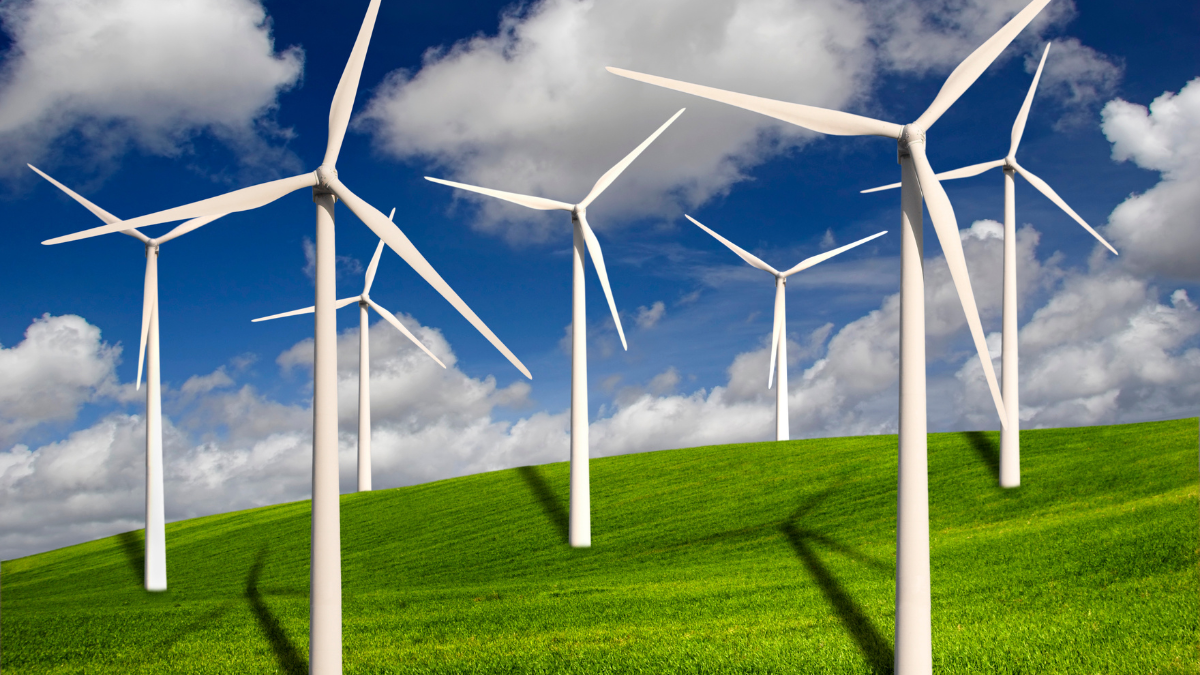
Europe's Green Sectors Are Projected to Add Up to 1.1 Million Jobs by 2030
With 9.6 million net jobs projected by 2030, the clean energy transition has crossed a threshold: it is no longer a policy story, it is the primary structural driver of global employment and industrial strategy.
A structural shift is underway in the global labour market. The clean energy sector is no longer absorbing workers at the margins, it is becoming the dominant engine of employment creation, outpacing legacy industries and reordering where capital, talent, and industrial capacity flow.
The data signal is unambiguous. Renewable energy employed approximately 16.6 million people globally by 2024. Net job gains from the broader green transition are projected to reach 9.6 million by 2030. Within Europe alone, green sectors are expected to add between 850,000 and 1.1 million roles by the decade's end, concentrated in transport, renewable infrastructure, and integrated energy systems. The EU's environmental goods and services sector already accounts for over 3% of total employment, and it is expanding faster than the broader economy.
Three forces are driving the acceleration. First, the EU Green Deal functions as a multi-decade demand signal - channelling capital into renewable build-out, building efficiency retrofits, and circular economy infrastructure. Second, technology convergence is collapsing boundaries: solar, EVs, battery storage, and grid software are no longer separate verticals but interdependent systems, multiplying job creation across supply chains. Third, heavy industry is entering the transition. Green hydrogen, low-carbon steel, and carbon capture are moving from pilot phase to procurement, creating entirely new labour categories for engineers, safety specialists, and systems integrators.
The growth is concentrated in specific sectors and geographies. Solar alone is projected to add 1.4 million roles globally by 2030. Battery and EV supply chains are reshaping the automotive corridor from central Europe to the North Sea. Hydrogen valleys are forming across Germany, the Netherlands, and Iberia. Grid modernisation is driving demand for digital infrastructure skills in markets that previously had none.
The friction points are structural, not cyclical. The skills gap is the most immediate constraint, vocational systems are not retraining workers at the speed the market requires. Supply chain concentration in critical minerals and semiconductor components introduces geopolitical fragility into otherwise robust demand projections. The EU's Net-Zero Industry Act is a direct policy response, pushing domestic manufacturing of solar panels, electrolyzers, and batteries, but industrial capacity takes years to build.
The implication is strategic: economies that align workforce development, industrial policy, and capital deployment now will capture a disproportionate share of the next decade's growth. The green transition is not a destination, it is the operating environment. The question for industry leaders is no longer whether to position in this market, but how fast.