We planted the trees. We built the panels. So why are scientists sounding the alarm?
Here is a sentence that sounds impossible but is completely true.
A solar farm can destroy a carbon sink. A mangrove plantation can devastate a biodiversity hotspot. A climate solution, designed with the best intentions, funded with real money, celebrated at international summits, can quietly, systematically, make things worse.
This is not a conspiracy theory. This is peer-reviewed science, published just days ago in Nature Sustainability. And if it makes you uncomfortable, good. It should. Because the inconvenient truth about the climate crisis is not just that we are not doing enough. It is that some of what we are doing is quietly breaking the very systems we are trying to save.
Let us talk about it. Properly. Without the comfort of green-washed reassurance.
The Tidal Flat Problem Nobody Is Talking About
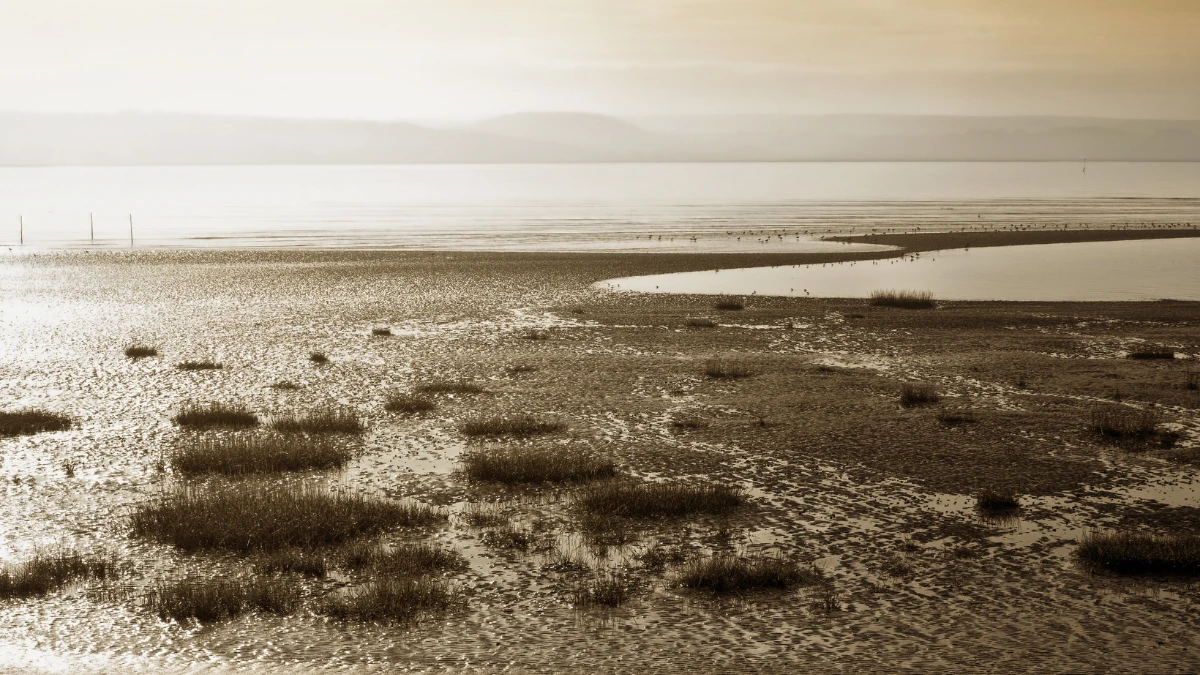
Tidal flats. You may not have heard of them. They don't have the dramatic presence of rainforests or the romance of coral reefs. They are muddy, intertidal stretches of coastline — quietly sitting between the land and the sea, doing some of the most important ecological work on the planet.
They absorb carbon. They protect coastlines. They shelter juvenile fish, migratory birds, and entire food chains that coastal communities depend on for their livelihoods.
And right now, they are being destroyed. Not by oil companies. Not by industrial polluters. By climate solutions.
The May 2026 study in Nature Sustainability found that tidal flats across the globe are under threat from two of the most celebrated green interventions of our time: mangrove afforestation and renewable energy expansion. Mangroves planted in the wrong locations are overrunning tidal ecosystems that were never meant to host them. Solar and wind infrastructure sited along coastlines is fragmenting habitats that tidal species have relied on for millennia.
The climate fix is eating the climate system.
Let that settle for a moment.
This is not a small, localised problem tucked away in an academic paper. Tidal flats store roughly the same amount of carbon per square metre as tropical forests. They act as natural buffers against storm surges and sea-level rise. And they are disappearing — not just from climate change, but from the solutions designed to fight it.
This Is Bigger Than Tidal Flats - It Is a Pattern
If tidal flats were an isolated case, we could breathe a little easier. But they are not.
When Mangroves Miss the Mark
Mangrove restoration has become one of the darlings of corporate carbon offsetting. A company emits carbon in Mumbai. It buys credits from a mangrove project in a coastal state. Everyone feels better. The press release goes out. The ESG report looks glossy.
But here is what the press release does not mention. Mangroves grow best in specific ecological conditions — particular salinity levels, sediment types, tidal rhythms. When they are planted outside these conditions, they fail. When they succeed in the wrong location, they can outcompete native vegetation, alter water flow, and displace the very biodiversity the project was meant to protect.
The forest goes in. The ecosystem comes out. Net result? Not what was promised.
The Solar Sprawl Nobody Mapped
Utility-scale solar has been a genuine game-changer for the energy transition. That is real, and it matters. But the rush to deploy renewable infrastructure at scale has sometimes skipped past one crucial question: what was there before?
Coastal wetlands. Grassland habitats. Migration corridors. In country after country, renewable projects have been sited without rigorous ecological mapping — not out of malice, but out of speed. The urgency to decarbonise the grid is real. The oversight of what gets sacrificed along the way has sometimes been dangerously insufficient.
You cannot solve one planetary emergency by quietly triggering another.
The Carbon Credit Economy and Its Convenient Blind Spots
The voluntary carbon market was supposed to make climate action accessible to every business, big and small. And in theory, it can. But in practice, it has created a system where the quality of environmental outcomes is wildly inconsistent, where verification is often weak, and where organisations can claim neutrality on paper while biodiversity quietly unravels on the ground.
The problem is not carbon offsetting as a concept. The problem is carbon offsetting as a loophole. When a company buys credits and stops asking questions about what those credits are actually doing on the ground — that is not climate action. That is climate accounting with a green filter.
And the ecosystems that pay the price cannot submit a complaint.
What Science-Led Climate Action Actually Looks Like
None of this means we stop. It means we stop and think before we act. There is a difference between climate urgency and climate recklessness — and the difference lies in whether we listen to ecology as closely as we listen to economics.
Here is what getting it right actually requires.
Map before you plant. Mangrove and wetland restoration projects must begin with thorough ecological surveys. Not assumption. Not Google Maps. Ground-level, species-level understanding of what is already there and what the site can genuinely support.
Integrate biodiversity into the energy transition. Renewable energy siting decisions need to include mandatory ecological impact assessments — not as a tick-box formality, but as a genuine constraint on where infrastructure can and cannot go.
Hold carbon markets accountable. If a credit claims to protect an ecosystem, that claim must be independently verified, publicly reported, and tied to measurable outcomes — not to planting numbers that look good in a spreadsheet.
Elevate indigenous and local knowledge. The communities who have lived alongside tidal flats, forests, and coastal ecosystems for generations often know more about those ecosystems than the models do. Their voices belong at the front of the room, not as a footnote in the appendix.
The science is not asking us to slow down the climate response. It is asking us to make it smarter. More precise. More honest.
What This Means for You - Yes, You
If you have ever donated to a tree-planting initiative, bought a carbon-neutral product, or chosen a company because of its green credentials, you have participated in this system. And that is not a criticism. It is an invitation.
Ask more questions.
When a brand says it is carbon neutral, ask: what methodology? When a government announces a coastal renewable project, ask: what was the ecological survey process? When an NGO celebrates a mangrove planting milestone, ask: who checked whether those mangroves belong there?
Your curiosity is a form of climate action. Your refusal to accept vague green claims is exactly what the market needs to hear. Because right now, the ecosystems that cannot speak for themselves — the tidal flats, the wetlands, the migration corridors need people who will ask the right questions on their behalf.
Climate action is our responsibility. All of it. Including the part where we hold the action itself accountable.
For more inspiring blogs, click here → climatora.com/climate-blog