India Submits Updated NDC to UNFCCC: 60% Non-Fossil Power Capacity and 47% Emissions Intensity Reduction by 2035
Submitting a 2035 target with a 2030 milestone already cleared is a credibility asset for India internationally. Whether the new targets drive incremental action is a different question entirely.
India's decision to file its 2031 to 2035 Nationally Determined Contribution with the UNFCCC says as much about the country's confidence in its energy trajectory as it does about its climate ambition. The Union Cabinet approved the submission in late March 2026, and what makes it structurally significant is not the headline number 60 percent non-fossil installed power capacity by 2035 but the fact that India had already crossed 52.57 percent non-fossil capacity by February 2026, five years ahead of the prior 2030 target. The NDC is not aspirational. It is a formalisation of a trajectory already underway.
The target architecture tells a precise story. The emissions intensity commitment moves from 45 percent reduction by 2030 to 47 percent reduction by 2035, measured against 2005 levels. The carbon sink target shifts from a range of 2.5 to 3 billion tonnes to 3.5 to 4 billion tonnes of CO₂ equivalent. Both represent upward revisions that are calibrated rather than maximalist . India is not stretching beyond what its current policy and investment trajectory can plausibly deliver by the target year. That is a deliberate posture, consistent with the CBDR-RC principle, and it will draw exactly the criticism that consistent NDC understretch always draws from climate analysts.
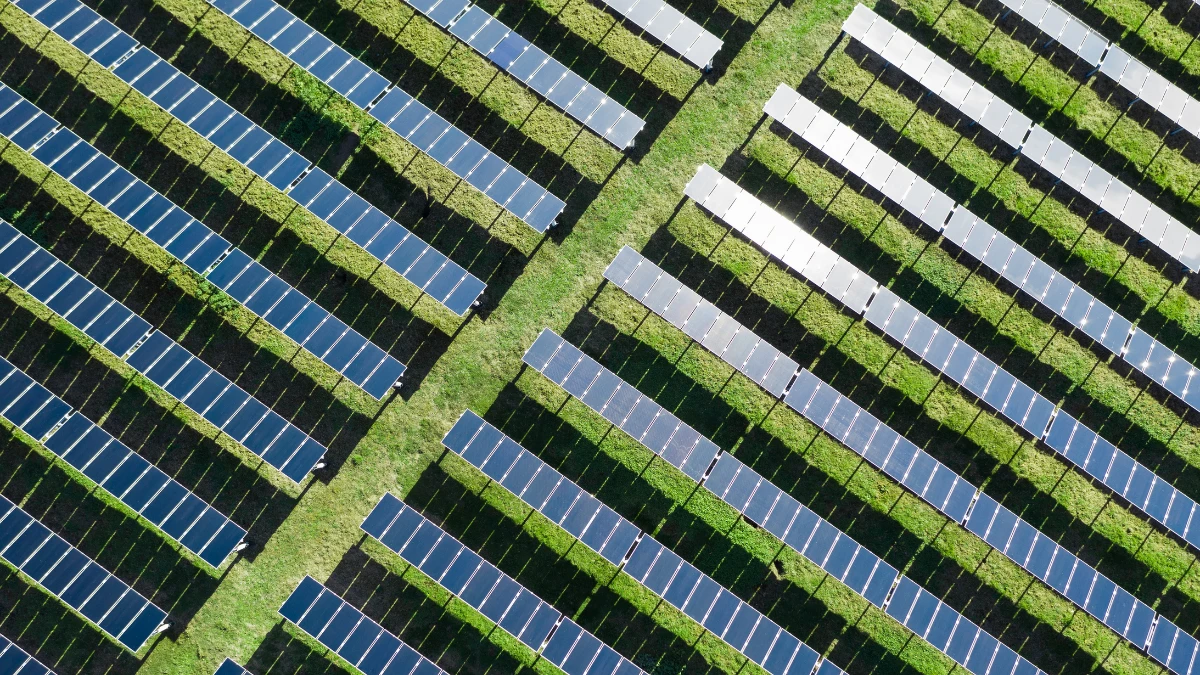
The structural driver behind India's overcompliance on its 2030 non-fossil target is a combination of collapsed solar costs, PLI-linked domestic manufacturing scale, and the structural role of state utilities in procuring renewable capacity at volume. India installed 38 GW of solar in 2025 alone, surpassing the United States for the first time a data point that registers as a market development signal, not a policy achievement. The policy created the conditions; the economics closed the deal.
The geography of ambition is worth reading carefully. India's NDC is operationalised through nine national missions under the National Action Plan on Climate Change, alongside State Action Plans. The 60 percent non-fossil capacity target is a national aggregate that masks large state-level variation in execution capacity, grid readiness, and discom financial health. States with weak distribution infrastructure will not automatically benefit from a national target formulated in installed capacity terms.
The friction is not in the numbers , it is in the structural gap between capacity and actual clean generation. Over 37 GW of renewable capacity remained stranded as of early 2026, unable to deliver power to the grid due to transmission bottlenecks and storage constraints. An NDC built on installed capacity metrics can be technically met while the actual energy transition lags. India's coal generation in non-solar hours remains structurally dependent on thermal capacity, and the NDC's emissions intensity framing , rather than absolute emissions, allows total emissions to continue rising as the economy grows.
The geopolitical implication is consequential for multilateral climate finance. India's track record of meeting and exceeding quantitative NDC targets strengthens its negotiating position on climate finance obligations from developed economies, particularly as COP preparations intensify through 2026. The credibility of demonstrated delivery, not promised delivery, is a rare asset in global climate diplomacy. For investors and corporates navigating BRSR and CSRD alignment, the updated NDC sets the regulatory direction of travel clearly: 60 percent non-fossil by 2035 is now the floor, not the ceiling.